Lunch Table Stock Exchange: How America's Cafeterias Became Mint Trading Floors
Photo: LIUC7carolina, CC0, via Wikimedia Commons
Somewhere in a suburban cafeteria right now, a seventh grader is holding up a scuffed tin of discontinued Cinnamon Altoids like it's a Charizard, and three kids are bidding fruit snacks against each other.
Welcome to the lunch table stock exchange — the unofficial mint economy that's quietly taken over American middle and high schools while teachers were busy confiscating fidget spinners.
The Tin Is the Asset
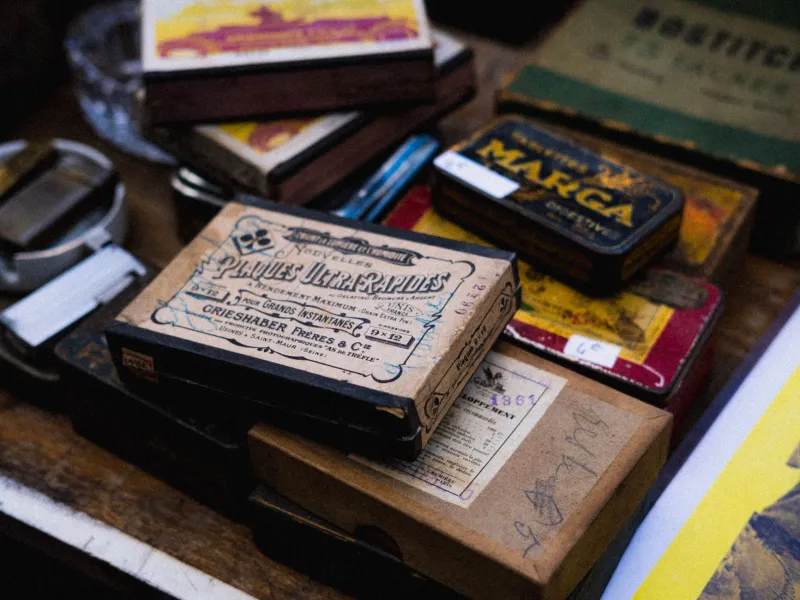
Here's the thing most adults miss: the mints barely matter. The tin matters. A sealed vintage Altoids tin is the crown jewel, the same way a sneakerhead wants deadstock Jordan's box, laces included.
"If it's opened, it's worth like half," explains Marcus, 14, a self-described "tin broker" from Ohio who agreed to talk to us on the condition we don't name his school. "Sealed vintage? That's a grail. My friend paid two bags of Hot Cheetos AND a Dr Pepper for a sealed ginger tin."
Ginger. The discontinued 2000s-era Altoids ginger flavor. It trades like a rookie card, and kids who weren't even alive when it was shelved know its market value to the fruit snack.
Decoding the Slang
Every economy develops a language, and the cafeteria mint market is no different. A quick glossary from our embed:
- Grail — a discontinued or hard-to-find flavor, preferably sealed
- Dented — a tin with damaged corners; value drops hard
- Rattler — a sealed tin that sounds full when shaken; premium pricing
- Floater — loose mints with no tin, worth almost nothing, accepted only out of pity
- The Freeze — when someone refuses to trade a grail no matter the offer
That last one is important. There's always a kid with a Wintergreen tin from 2011 who simply will not move, and the whole table respects it. The Freeze is a power move older than the kids making it.
Why Mint? Why Now?
We asked a few admins why the cafeteria has turned into a card show, and the answers ranged from "what's an Altoid" to one assistant principal who sighed and said, "At least it's not the Takis futures market."
The kids have their own theory: mints are the perfect tradeable. They're small, they fit in a hoodie pocket, adults don't care about them, and unlike trading cards, you can eat your portfolio in a genuine emergency.
There's also the TikTok effect. Vintage candy haul videos have made discontinued flavors cool in the way vinyl records got cool — suddenly a mint your grandma kept in her purse has provenance.
The Bubble Question
Every trader we talked to acknowledged the market can't last. Sixth graders keep entering with deep lunch money, and one kid reportedly traded a full sealed Curiously Strong collection for a single limited-run chocolate tin, a move one tablemate called "historically bad."
But the mint economy doesn't need to last. Like all great schoolyard markets — Pogs, Silly Bandz, the brief and beautiful Pokémon lunch period of 1999 — it just needs to burn bright until summer break.
And when it crashes? The brokers we interviewed already have a plan.
"We pivot to gum," Marcus said, without blinking.
The Freeze, it turns out, applies to reporters too. He wouldn't say anything else.