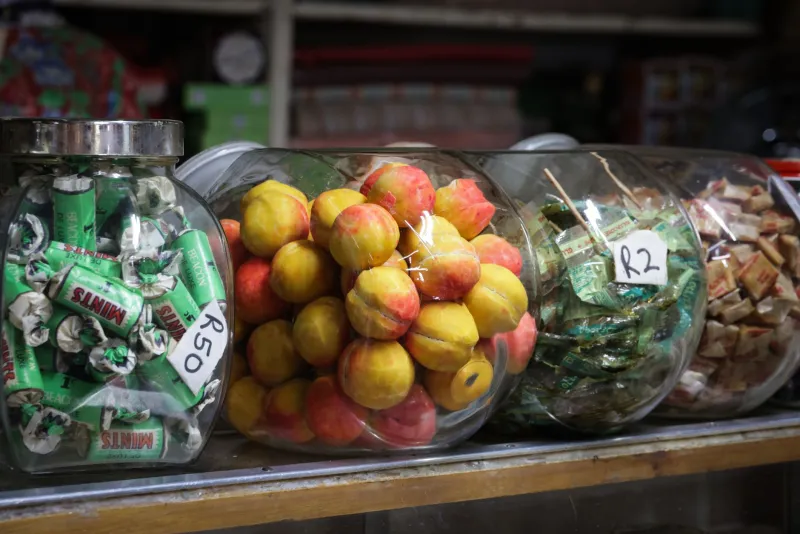
Sealed, Expired, and Absurdly Expensive: Inside the Underground Economy of Dead Mints
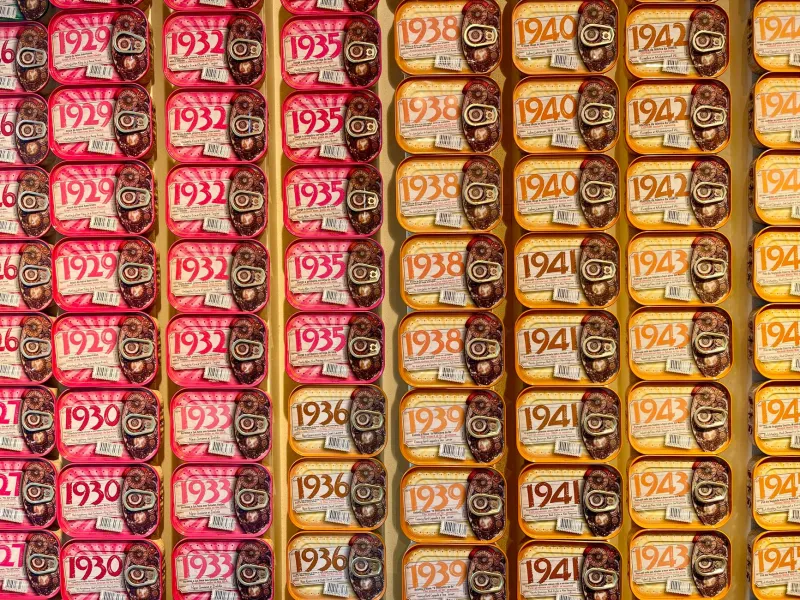
Somewhere in a climate-controlled storage unit in Ohio, there's a man who owns more vintage peppermint tins than most grocery stores. He's not a hoarder. He's a trader. And according to him, business is booming.
Welcome to the secondary market for discontinued mint candy — a corner of the internet where sealed tins of long-dead brands change hands for more than concert tickets, and the word "expired" is a selling point, not a warning.
When the Mint Dies, the Price Rises
The rules of this economy are simple: the moment a candy is discontinued, its value stops being about flavor and starts being about scarcity. A roll of mints you could grab at any checkout in 1998? Worthless. The same roll, sealed, in packaging that was pulled from shelves in 2001? Now we're talking.
"It's the same logic as sneakers or trading cards," explains Marcus, a reseller who asked us to use his first name only because — and we quote — "I don't need my coworkers knowing I paid $400 for a tin." "Sealed condition, original packaging, known production run. That's the holy trinity."
The holy trinity of breath mints. We live in a beautiful country.
The Grails
So what actually commands jaw-on-the-floor money? A few tiers, roughly:
- Defunct brand tins. Anything from a company that folded — especially holiday or promotional editions — can fetch $75 to $300 depending on condition. Rust on the tin? Value cut in half. Mint condition (yes, that's the technical term) on a mint tin? Premium pricing.
- International editions that never hit US shelves. A Japanese or European mint variety that was region-locked in the 1990s is basically a foreign rare vinyl record. Collectors in the States will pay triple-digit prices just to own the packaging.
- Promo and movie tie-in mints. Branded mints from film releases or fast-food promos are the sleeper hit of this market. Nobody saved them in 1996. That's the whole problem.
One sealed promotional tin from a 1980s airline famously sold at auction for over $500. The mints inside were, presumably, geological artifacts at that point.
But Wait — Can You Even Eat Them?
Great question, and the answer from every collector we spoke to was an immediate, horrified no.
"The candy is not the asset," Marcus says. "The candy is the certificate of authenticity." Sugared confections degrade, absorb fridge odors, and turn into something you'd file under hazard materials. The sealed bag or tin is what preserves value. Open it, and you've essentially shredded a baseball card to read the stats.
Which raises the philosophical question: is a mint you can never eat still a mint? Collectors say yes. Everyone else says please seek help.
Why This Is Happening Now
A few forces converged. Nostalgia economics hit peak velocity during the pandemic, when people with disposable income started buying back their childhoods one eBay listing at a time. Meanwhile, the sneaker and trading card markets taught a generation that "collectible" and "investable" could be the same word. Candy was just sitting there, underpriced, waiting.
There's also the fact that candy packaging is genuinely gorgeous — mid-century tins, chrome lettering, that unmistakable 1970s color palette. Half the collectors we found started as graphic design nerds and stayed for the community.
Should You In?
Our honest take as a website legally obligated to love mint: treat this like fun, not like finance. Buy the dead tin because it makes you smile when you see it on your shelf, not because you think it's a retirement plan. The market is thin, illiquid, and driven entirely by vibes.
But if you find a sealed tin of something discontinued in a thrift store for a dollar? Buy it. Then come tell us. We know a guy in Ohio.