Small Batch, Big Chill: The Family Candy Kitchens That Refused to Sell Out

Walk into almost any American candy aisle and you'll find the same story told five different ways: a handful of conglomerates owning nearly every wrapper on the shelf. But off the interstate, in small-town factory buildings with creaky floorboards and candy-scented air you can taste from the parking lot, a handful of family-owned mint makers never signed the paperwork. They're still boiling sugar in copper kettles, still pulling peppermint cream by hand, still answering the phone on the second ring.
The Consolidation Squeeze
To understand why these companies are rare, you have to understand what hit them. Starting in the 1980s and accelerating through the 2000s, American grocery retail consolidated hard. A few national chains controlled shelf space, and they wanted suppliers who could fill warehouses, not just stores. Regional candy makers faced a brutal math problem: get big, get bought, or get gone.
Private label made it worse. Store-brand starlight mints and butter mints — often produced by the same mega-facilities — undercut family pricing by 30 or 40 percent. For a fourth-generation operation running on thin margins, it felt like getting punched by a ghost of yourself.
Three Survivals, Three Strategies
The Diversifier. One Midwestern cream mint operation survived by refusing to be a one-product company. When mint demand dipped, they leaned into seasonal ribbon candy and old-fashioned hard candies for regional grocers who still valued local sourcing. Their holiday ribbon candy now ships to all 50 states — a direct-to-consumer pivot that arrived just as e-commerce leveled the distribution playing field.
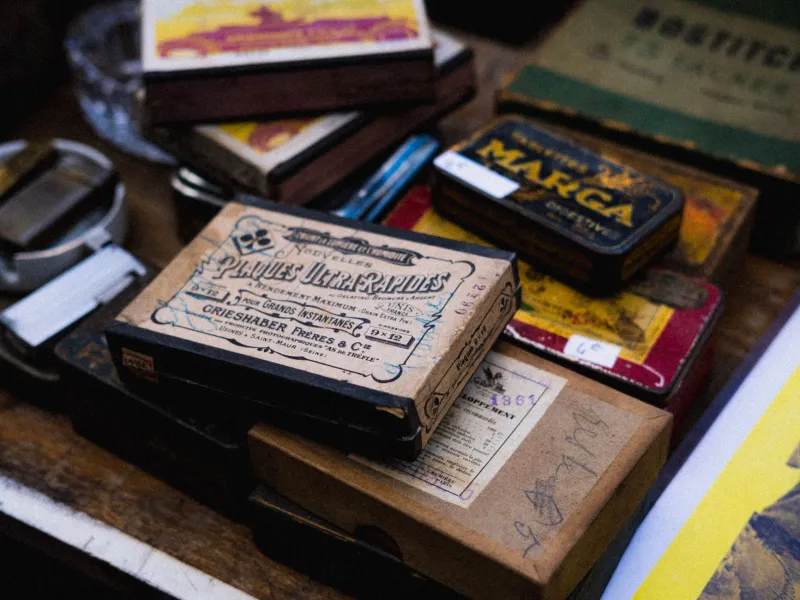
The Contract Killer (Of Costs, Chill Out). A Southern peppermint patty specialist stayed alive by making private-label candy for the giants — using the revenue from big-box contracts to fund their own heritage label on the side. It's the confectionery equivalent of playing both sides, and it worked. Their branded cream peppermints, sold in vintage-style tins, are now their fastest-growing line.
The Purist. One New England maker simply refused to change anything, including the recipe from 1907, the equipment from 1952, and the prices, more or less. Scarcity became the brand. Today they sell out of their Christmas mint allocation by mid-November, and a resale market has emerged that the founders find, in their words, "very silly."
Why the Kids Are Buying Grandpa's Candy
Here's the twist nobody in a 1998 boardroom predicted: heritage became cool. Younger shoppers raised on limited drops and small-batch everything see a family candy kitchen the same way they see a vintage sneaker — proof of origin, story included. "Buy small" isn't a guilt trip for this generation; it's a flex.
TikTok has done the rest. Factory tour videos showing candy being pulled, cut, and cooled rack by rack pull millions of views, and family mint makers — with their visible humans and unhurried processes — are catnip for the algorithm. Several of these companies report their biggest sales growth in the under-30 demographic, buying candy their great-grandparents would recognize on sight.
The Lesson in the Wrapper
The moguls got the shelf. The families kept the recipe. And in 2025, with shoppers increasingly suspicious of everything owned by everything else, the little kettle that could turns out to have been holding the winning card all along: it's hard to feel nostalgic about a holding company.
So next time you pass a regional candy brand in a local shop or spot a family mint maker at a holiday market, grab a roll. You're not just buying candy. You're voting — with your taste buds — against the great flattening.