Flea Market Economics: We Set Up a Mint Stand and Learned What Gen Z's Wallet Actually Wants
Here's the premise: we took $180 worth of mint candy — vintage tins, discontinued peppermints, modern flavor drops — to a suburban flea market outside Columbus, rented a folding table for fifteen bucks, and let the people decide. No signage beyond a hand-lettered poster reading MINTS (OLD AND DRAMATIC). What happened over six hours was a masterclass in how nostalgia and hype culture actually collide at the point of purchase.
The Inventory, For the Record
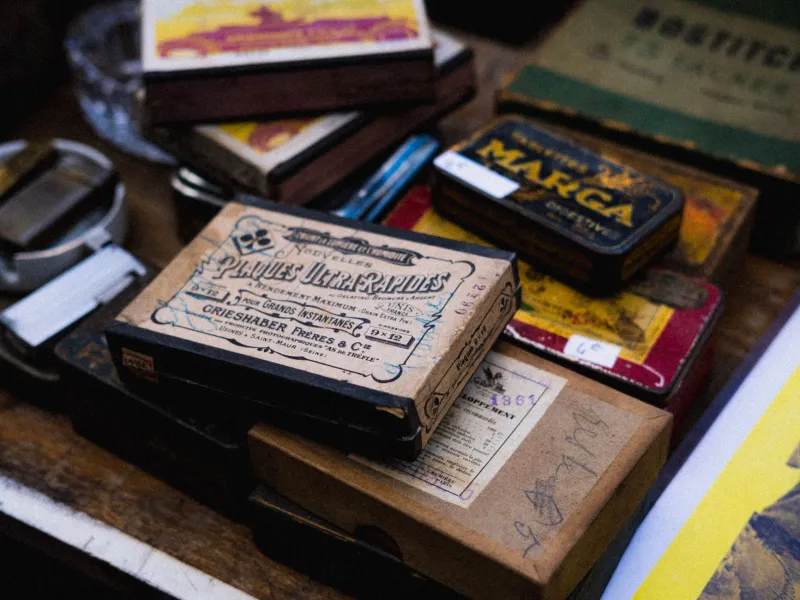
We stocked three tiers. Tier one: modern stuff — cinnamon-mint flavor drops, Arctic-cool sugar-free mints, those sleek metal tins that look like they should hold a vape. Tier two: discontinued legends — a sealed roll of peppermint candies from a brand that stopped production in 2019, butterscotch-mint hybrids, starlight mints in plastic wrap older than some of our readers. Tier three: the weird stuff. A 1970s mint tin shaped like a station wagon. A commemorative mint from a shopping mall that no longer exists.
Pricing was scientific-ish: modern mints at $3, discontinued candy at $4, weird tins at $8 or best offer.
Hour One: The Older Crowd Cleans Up
The early flea market crowd — let's call them the 55-plus power-walkers — went straight for the starlight mints. A man named Dennis bought six rolls of the discontinued peppermints and told us, unprompted, that his mother kept a dish of these by the front door for forty years. "You don't see these anymore," he said, holding the roll like a recovered artifact.
Dennis and his cohort accounted for nearly half our morning revenue. Nostalgia, it turns out, is not a Gen Z phenomenon. It's a universal currency.
The Gen Z Wave Hits Around 11 AM
Then the demographic shifted, and so did the purchasing logic. A group of teenagers in thrifted hoodies descended on the table and completely ignored the vintage candy. They wanted the tins. Specifically, the aesthetic tins — the sleek modern ones and, surprisingly, the 1970s station wagon tin, which a girl named Priya bought for $12 and immediately declared "so vintage-core."
She did not buy any actual mints. The mints were, in her words, "a bonus."
This happened repeatedly. The younger buyers were purchasing objects, not candy. The tin was the product; the mints were the collectible that happened to be edible. One guy asked if we had "any mint drops that taste like other stuff," which is a genuinely precise description of the modern flavor drop market, and he walked away with two tubes of cinnamon-cooler drops at $3 each.
What Flopped (And Why It's Fascinating)
The biggest surprise: the sealed 2019 peppermint roll, our most historically interesting item, did not sell. Not to Gen Z, not to Dennis, not to anyone. We priced it at $6, then $4, then eventually just opened it and offered free mints, which people accepted while still declining to buy the roll.
"Expired candy is kind of gross," one college student explained, gently, like she was letting us down easy. The internet has taught us that sealed expired snacks are collector gold — but that's an online marketplace phenomenon. In the real world, at a folding table in the drizzle, people want candy they can eat or a tin they can post.
The Overheard Quotes Section
We kept a running list of booth-side commentary, because you can't buy this kind of market research:
- "Are these the ones from the gas station or the fancy ones?" (They were both, and this question predicted the purchase every time.)
- "Mint is having a moment," said a man in his twenties, buying nothing, presumably manifesting.
- "My grandma would lose her mind over this table."
- "Do you have anything that's like, dangerously cold?" (We did not, and we've thought about it every day since.)
What We Actually Learned
Three takeaways from our day as mint merchants. First, Gen Z buys the container, not the candy — packaging is the product, and anyone selling to this demographic should lead with the object. Second, nostalgia buyers over 50 are the most reliable mint customers in America; they know what they want and they don't negotiate. Third, the sweet spot is crossover: the station wagon tin sold because it was simultaneously vintage, weird, funny, and photographable.
Total revenue: $147. Total profit: roughly $-48 after table rental and our iced coffees. As a business, a failure. As a crash course in how mint culture actually moves through the real world? Worth every frozen penny.