Elevation Check: Why America's National Parks Are the Last Place Mint Candy Still Goes Full Send
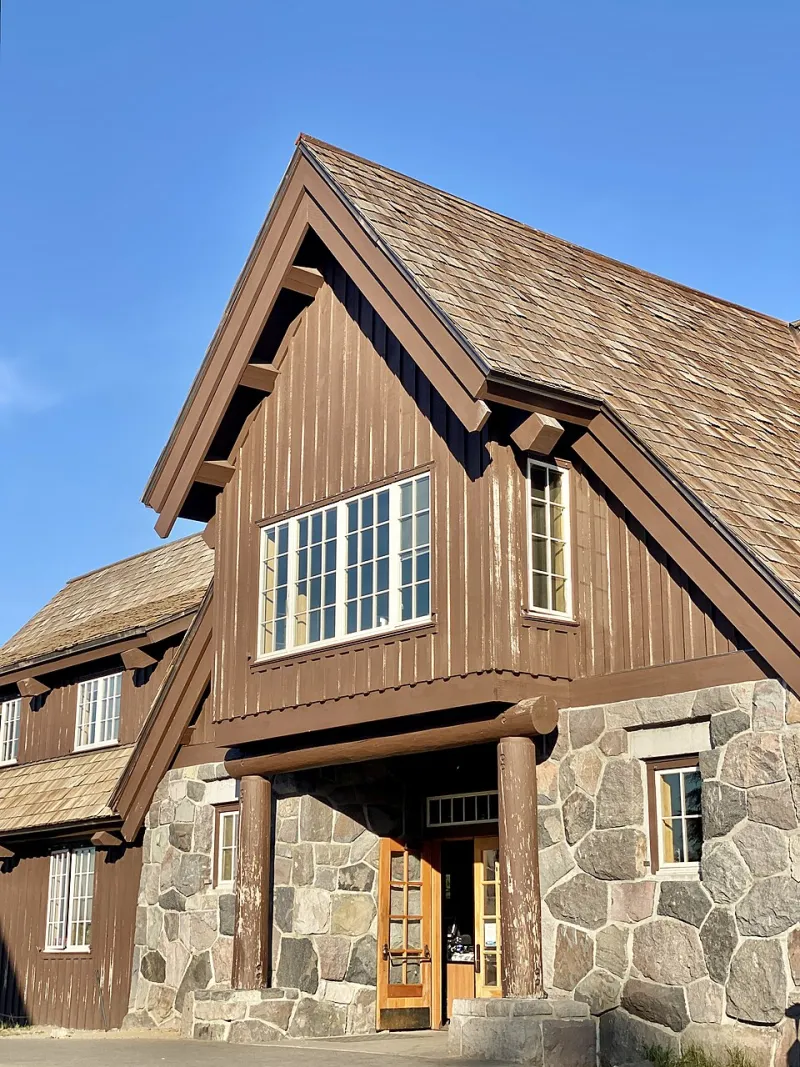
Photo: w_lemay, CC BY-SA 2.0, via Wikimedia Commons
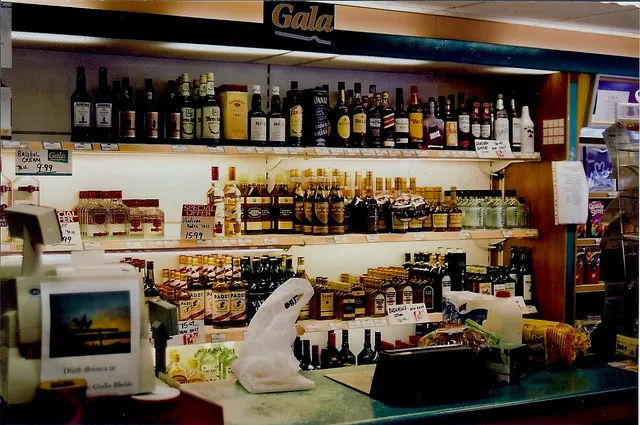
Somewhere between a stuffed bison plush and a rack of souvenir magnets that say things like "The Mountains Are Calling," there is a shelf. And on that shelf, unbothered, unironic, and completely undefeated, sits the mint candy aisle.
Not an aisle, technically. More like a pegboard. But in the economy of national park gift shops, that pegboard might as well be the New York Stock Exchange — because it's the last place in America where old-school mint candy isn't a nostalgia play. It's just... normal.
So we grabbed a camera crew, a rental minivan, and an alarming amount of snack budget, and went to find out why the wilderness never got the "mint is for grandparents" memo.
The Gift Shop Is a Time Capsule With a Register
Walk into any visitor center from Acadia to Olympic and the pattern hits you immediately: the candy selection operates on a completely different cultural timeline than the rest of the country.
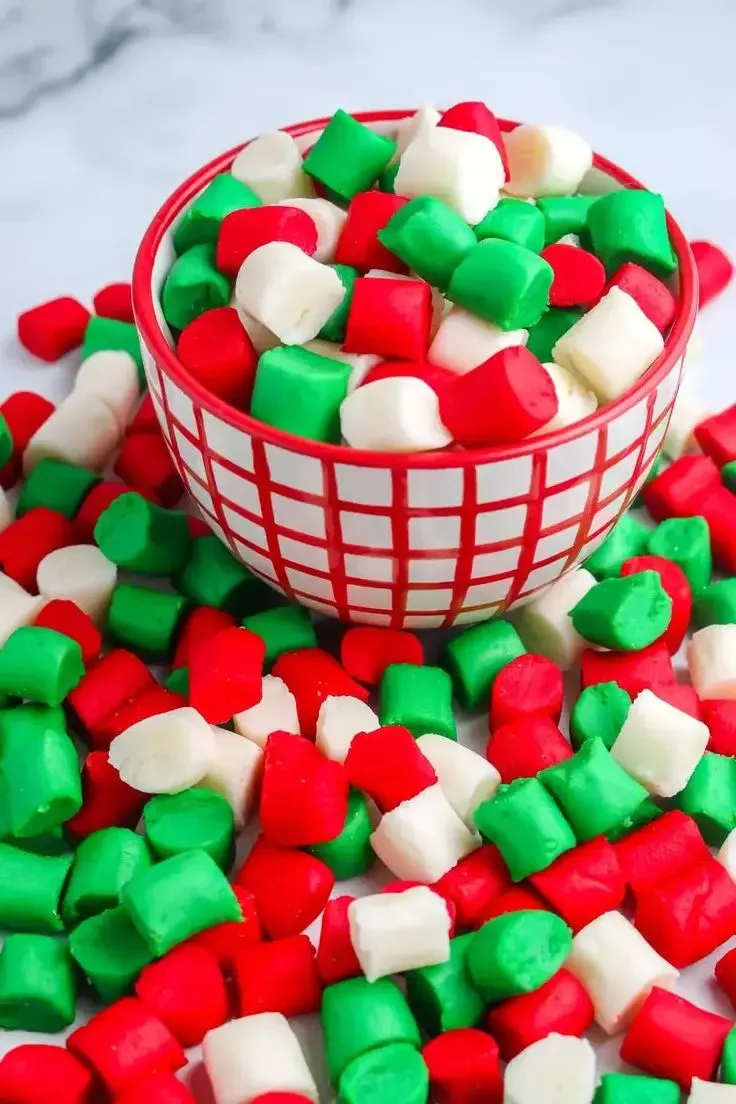
Starlight mints in a jar. Peppermint patties stacked by the register. Butterscotch discs (a mint's retired uncle) sharing shelf space with starlight candies that look identical to the ones your grandpa kept in his truck's ashtray.
"People don't buy mints here as a throwback," a gift shop manager at a lodge near Yellowstone told us, while restocking a display of huckleberry anything. "They buy them because they're hiking twelve miles and their mouth tastes like a tent."
That's the whole thesis, honestly. In the city, mint candy is a bit. In the park, it's gear.
Huckleberry Everything: The Regional Mint-Industrial Complex
Every park region has its own flavor economy, and mint is quietly threaded through all of them.
The Pacific Northwest runs on huckleberry — and huckleberry-mint fudge is a real, glorious, green-flecked product that gift shops cannot keep in stock from June to September. Rocky Mountain country pushes trout-themed tins of peppermints that absolutely nobody needs but everybody buys. Down in the Smokies, you'll find moonshine-glazed mint chews that are legally just candy but feel illegal.
One buyer at a camp store outside Glacier put it plainly: "Tourists want a flavor they can't get at home. Turns out 'mint, but with a mountain on the label' is a flavor."
She is correct, and the sales numbers back her up. Mint chocolate products — the trail mix with the mint M&Ms, the mint chip granola bars, the after-dinner patties shaped like bears — consistently outperform the "fun" novelty candy sitting right next to them.
We Ate Our Way Up a Mountain (For Journalism)
Field testing was brutal work, and we took it seriously. Our taste-test rankings, conducted at actual elevation with actual tired legs:
S-Tier: Huckleberry-mint fudge. The berry does the talking, the mint does the cooling, and the fudge does the heavy lifting. A masterpiece of regional collaboration.
A-Tier: Mint chocolate trail mix. Engineered by trail angels. The moment the mint chips hit a handful of salty almonds at the overlook is a genuine religious experience.
B-Tier: Classic starlight mints. Unfashionable, bulletproof, perfect at 9,000 feet. Docked points only because unwrapping one with numb fingers is a two-person job.
C-Tier: Mint chip protein bars. Tastes like the idea of mint, remembered by someone who's never had it.
D-Tier: Sugar-free "mountain fresh" mints. The label promised a breeze. Delivered a warning label.
Why the Outdoors Never Killed Mint
Here's our theory, backed by nothing but vibes and one very patient park ranger: mint candy survives in the wild because the outdoors never participates in trends. Nobody's doing a rebrand at 6 a.m. on a switchback.
There's also the practical stuff. Mint lasts forever in a pack, doesn't melt into a tragedy in a hot car, and the cooling effect genuinely feels earned when you've been sweating uphill. Your tongue thinks it's altitude relief. It's just candy. It's beautiful.
Plus, campfires make everything taste like smoke, and mint is the only flavor with the horsepower to fight back.
The Final Frontier, Unironically
Everywhere else in America, mint candy has to apologize for itself. It's a retro marketing angle, a limited drop, a nostalgia cash grab. But in a national park gift shop, between the trail maps and the junior ranger badges, mint is simply part of the inventory of being outside.
No irony. No drop culture. Just a peppermint patty in a tin with a moose on it, doing its job since before any of us were born.
The mountains kept mint alive. Honestly? Respect.