The Register Is a Trap and the Mints Know It: Inside America's $2 Checkout Standoff
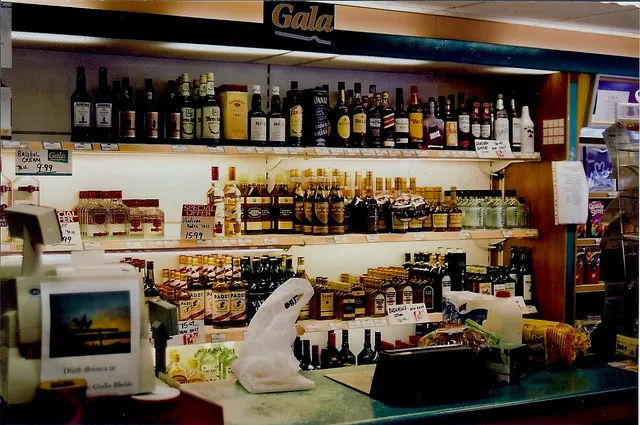
Photo: Joseph Mischyshyn, CC BY-SA 2.0, via Wikimedia Commons
There's a moment every American knows by heart. It's 11:47 PM. You've paid for your energy drink and a roller grill taquito of ambiguous origin. You're about to leave. And then you see it: the little spinner rack by the card reader, packed with Tic Tacs, Ice Breakers, and a brand of peppermints whose logo hasn't changed since the Nixon administration.
You grab a pack. You didn't plan to. Nobody plans to. That's the whole point.
The Three Feet That Run the Industry
In retail, the checkout counter is called "the last zone of influence," and it punches so far above its weight that candy distributors treat those few square feet like beachfront property. We spoke with Dana, who owns two convenience stores outside Columbus, Ohio, and she broke it down without hesitation.
"The snack aisle is where people browse. The counter is where people surrender," she told us. "A bag of chips is a decision. A pack of mints is a reflex."
That reflex adds up. Industry estimates put impulse purchases at roughly half of all convenience store transactions, and mint candy is arguably the crown jewel of the category because it's cheap, small, and carries a built-in justification: you might need it for your breath at any moment.
The Fresh Breath Panic Buy
Here's the genius part. Nobody buys a candy bar because they're worried about social ruin. But mints? Mints are insurance. That guy waiting for his date to text back, the rideshare driver on hour nine, the college student about to walk into a morning section — they're all one awkward conversation away from needing a mint, and the register rack is right there when the panic hits.
Dr. Priya Raman, a consumer behavior researcher who studies point-of-purchase decisions, calls this "the proximity premium."
"Placement near the register converts a want into a need," she explained. "Standing in line creates a low-grade attention vacuum. Your brain is bored, your wallet is already out, and the product in front of you has a use case you can imagine within the next ten minutes. That's an almost unfair advantage."
In other words: the mints aren't at the register because they're popular. They're popular because they're at the register.
Why Not by the Door?
So why not put them at the entrance, where foot traffic starts? Because entrances are where intention lives. Walk in the door and you know what you came for — the drink, the lottery ticket, the milk. Interrupt that mission and you get ignored. But by the time you reach the counter, your willpower tank has been running on fumes for the entire shopping trip, a phenomenon researchers call decision fatigue. You've made a dozen small choices already. One more tiny yes is easy.
Doors get you traffic. Counters get you conversions.
The Impulse Map, Ranked
Based on our interviews and an embarrassing amount of field observation, here's the unofficial hierarchy of the modern c-store:
- The counter rack — Mint kingdom. Small, grabbable, priced to be an afterthought.
- The register-adjacent endcap — Where gum and bigger mint tins live for the slightly more committed shopper.
- The cold case — Energy drinks and iced coffee, the mints' chaotic teammates in the late-night stack.
- The snack aisle — Great for chips, weirdly bad for mints. Nobody walks twelve feet for breath insurance.
What Gen Z Is Actually Grabbing
Dana says her late-night crowd isn't buying the classic red-and-white peppermints their grandparents hoarded. They're going for sugar-free mint tins, strong "cooling" flavors, and anything that looks like it belongs in a photo dump. The distributor we talked to confirmed it: sleek packaging and intense flavor are moving units, while the old-fashioned starlight mints mostly survive as the free bowl at the barber shop.
The behavior hasn't changed — only the wrapper has. The late-night run still ends at the counter, wallet out, defenses down, one small click away from a fresher mouth and a slightly lighter pocket.
So next time you're standing in line at 2 AM, staring down a rack of mints you absolutely did not come here for, take a breath. You've just been outmaneuvered by sixty years of retail psychology. And honestly? Enjoy the mint. You earned it. Or at least, they made sure you'd think you did.